

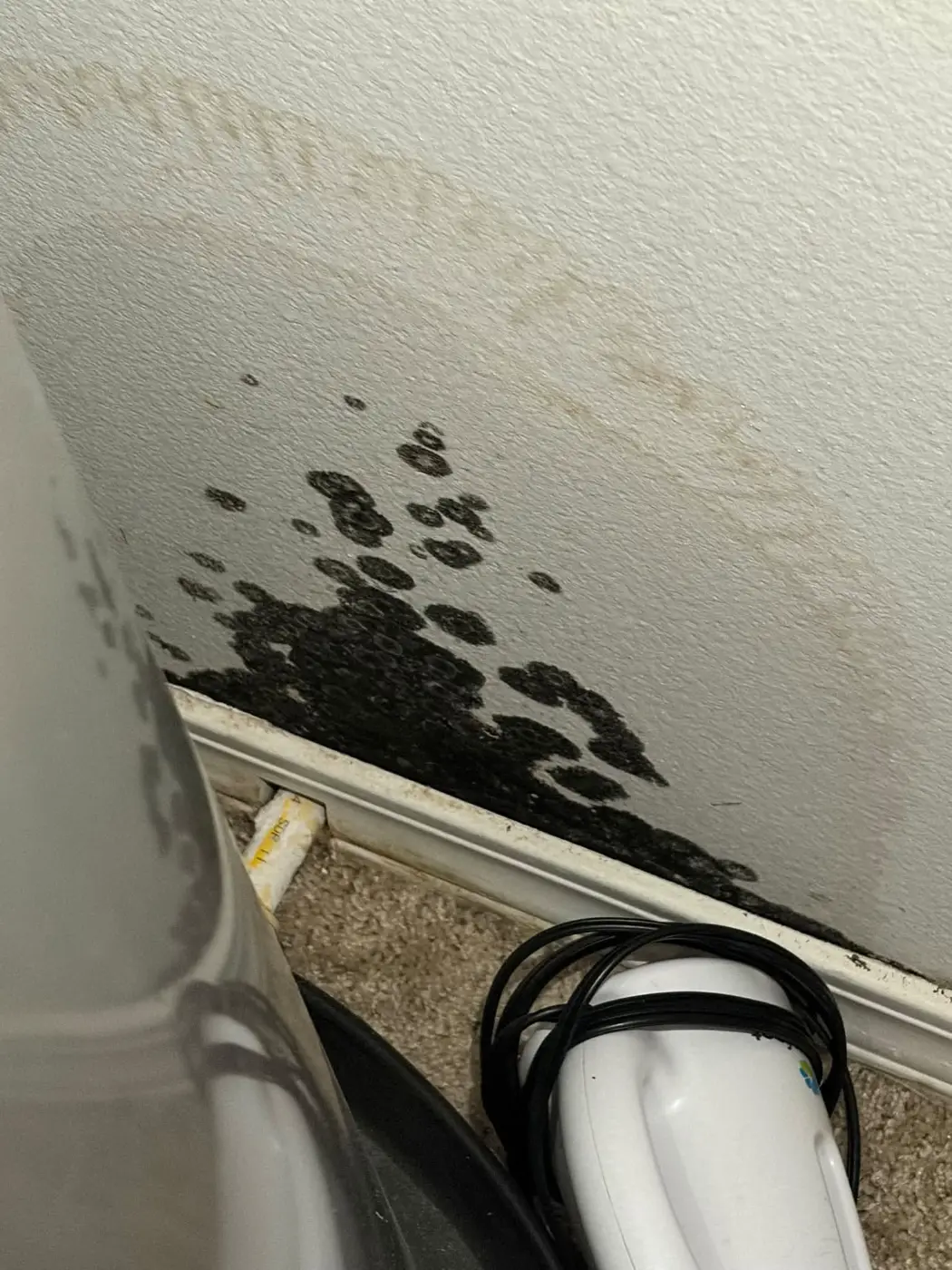
What is a mold inspection?
A mold inspection is an assessment of a building to find visible and hidden mold growth, identify the moisture source causing it, and determine how large the affected area is, using visual inspection, moisture meters, thermal imaging and, when useful, air or surface sampling. It answers three questions: is there mold, where is it, and why is it there.
The third question matters most. Mold only grows where there is moisture, so an inspection that finds mold but not the water behind it leaves you with a problem that will come back.
When should you get a mold inspection?
- You smell a musty, earthy odor but cannot see mold
- You had a leak, flood or sewage backup and want to be sure nothing is growing
- You see spots on walls, ceilings, wood or fabric and want to know how far it goes
- Allergy or asthma symptoms are worse at home and better away from it
- You are buying or selling a home with a basement or crawl space
- You want to confirm that mold removal worked
What happens during an inspection
- InterviewQuestions about past leaks, floods, odors, symptoms and where problems show up help focus the inspection.
- Visual inspectionLiving areas, basement, crawl space, attic, bathrooms, under sinks and around windows are checked for growth, staining and water damage.
- Moisture mappingMoisture meters test walls, floors and framing; elevated readings point to hidden water.
- Thermal imagingInfrared cameras show temperature differences that can indicate wet areas inside walls and ceilings.
- Sampling, if neededAir samples or surface samples are taken when mold is suspected but not visible, or to confirm cleanup.
- Findings and planYou get the results, the moisture source, the size of the affected area and recommended next steps.
Do you need mold testing?
Not always. If mold is visible, it needs to be removed whatever the species, and testing will not change that. The EPA does not recommend routine sampling to identify mold types when growth is already visible. Testing is useful when:
- You smell mold but cannot find it
- You need to know whether mold has spread into the air of other rooms
- You need to confirm a remediation is complete (clearance testing)
- A real estate transaction, landlord dispute or medical situation calls for documentation
Where inspectors look in Charleston homes
The valley’s climate and housing put mold in predictable places:
| Area | Why mold grows there |
|---|---|
| Basements | Damp block walls, hillside runoff, past flooding; see basement mold removal |
| Crawl spaces | Bare dirt floors and humid summer air; see crawl space mold |
| Attics | Bath fans venting into the attic, blocked soffits; see attic mold removal |
| Bathrooms | Poor ventilation, leaks behind tubs and showers |
| Exterior walls and closets | Cold surfaces where humid air condenses |
| After a flood | Wet drywall and insulation left in place; see mold after flooding |
What a good inspection report includes
- Where mold was found and roughly how much
- The moisture readings and where they were high
- The likely moisture source
- Photos of affected areas
- Lab results, if sampling was done
- Recommendations for removal and for fixing the moisture
After the inspection
If mold is found, the next step is containment and removal, covered on the mold removal page. If the inspection found moisture but no mold yet, drying it out now can prevent a mold problem. If the moisture came from a recent leak, water extraction and drying is often the right next step.
Mold inspection across Kanawha County
Inspections are requested everywhere from older homes in North Charleston and on the West Side to crawl space homes in Sissonville and basements in Spring Hill. Mold inspection sits alongside water and fire work as part of the restoration services in Charleston, WV covered here.
Call Kanawha Restoration for a mold inspection.
Mold inspection FAQs
How long does a mold inspection take?
A typical home inspection takes one to a few hours, depending on the size of the home and how many areas need checking. Lab results from sampling usually take a few days.
Can a mold inspection find mold inside walls?
Moisture meters and thermal imaging can point to wet areas inside walls where mold is likely. Confirming it may require a small opening or an air sample from the wall cavity.
Should I test for black mold?
The color or species of mold does not change how it should be removed. Any mold growing indoors should be removed safely and the moisture fixed.
Do I need a mold inspection after water damage?
If the water was dried quickly and properly with moisture readings, usually not. If the area stayed wet for more than a day or two, or you smell mustiness afterward, an inspection is a good idea.