The short answer
Extraction usually takes a few hours on the first visit. Structural drying usually takes three to five days for a clean-water leak caught early, and a week or more for flooded basements, floodwater or materials like plaster and hardwood. Repairs come after drying and depend on how much material was removed. The job is not finished on a set date. It is finished when moisture readings say the structure is dry.
The three phases of a water damage job
Water damage restoration is really three jobs that happen in order: mitigation, drying and repair. Each has its own timeline.
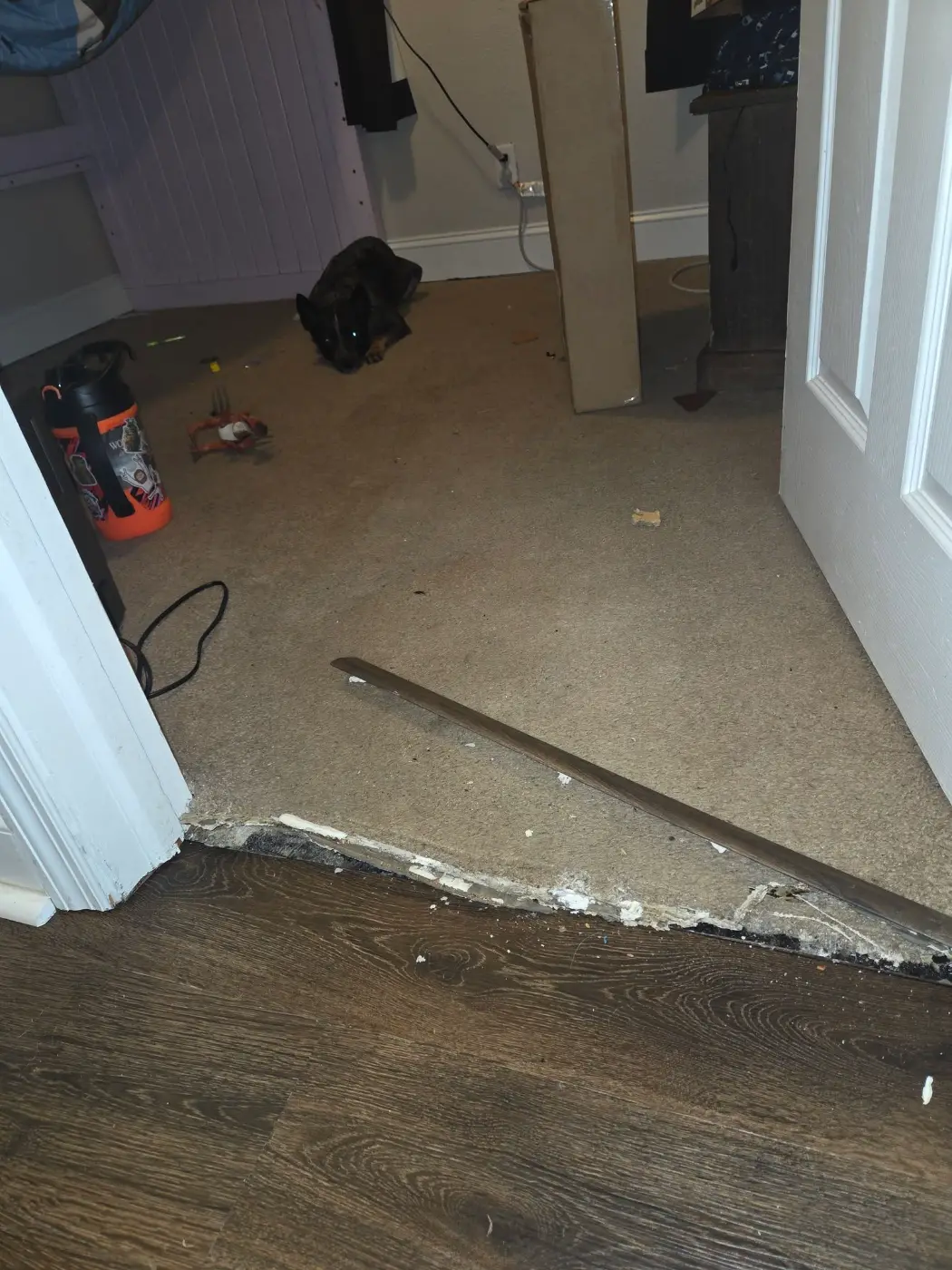
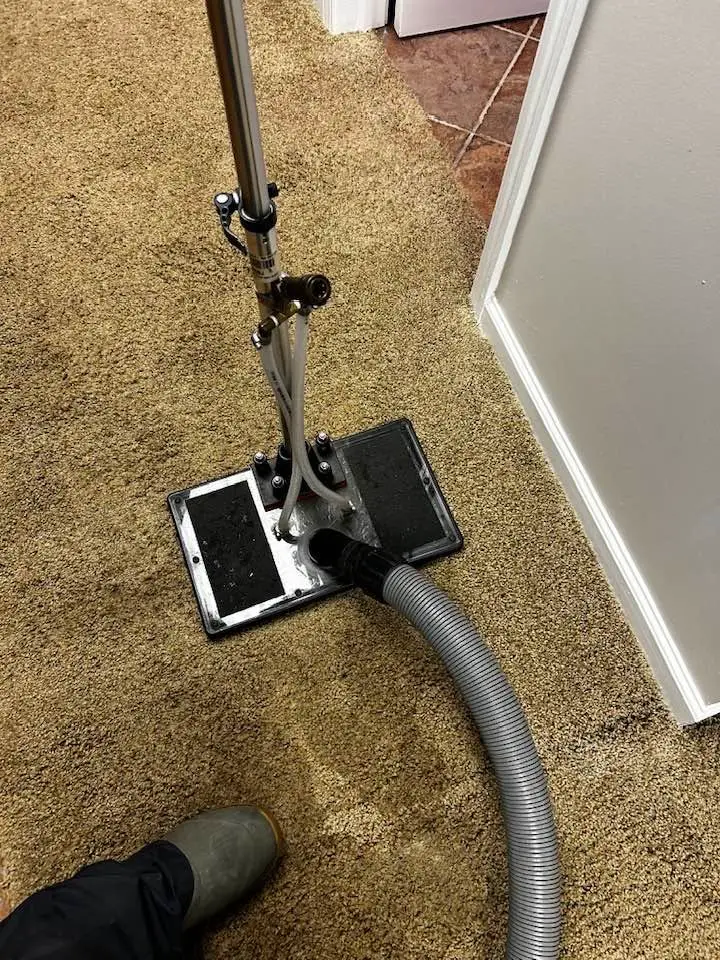
- Mitigation, day 1The source is stopped, standing water is extracted, wet carpet pad and ruined materials are removed, and drying equipment is set up.
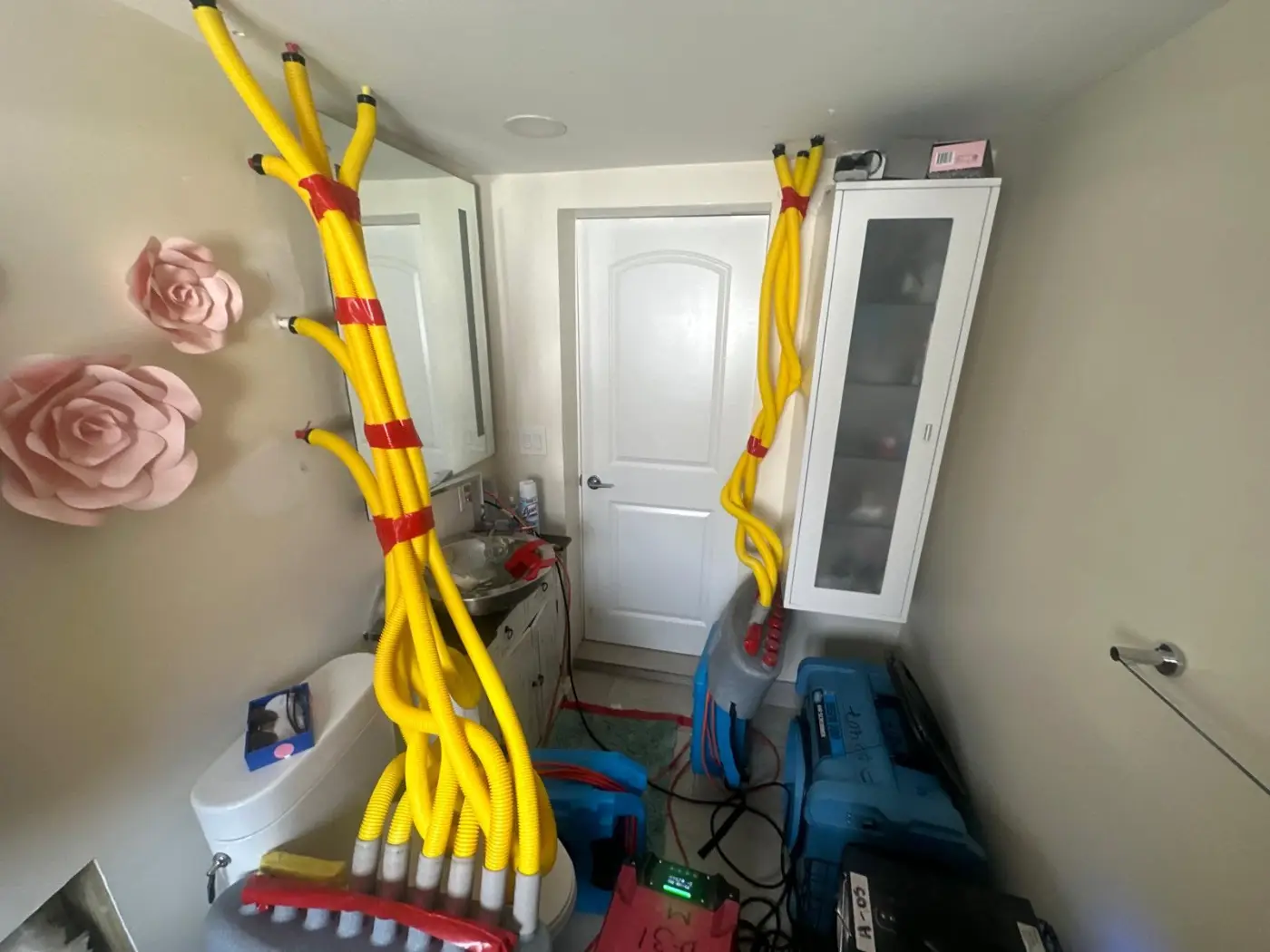
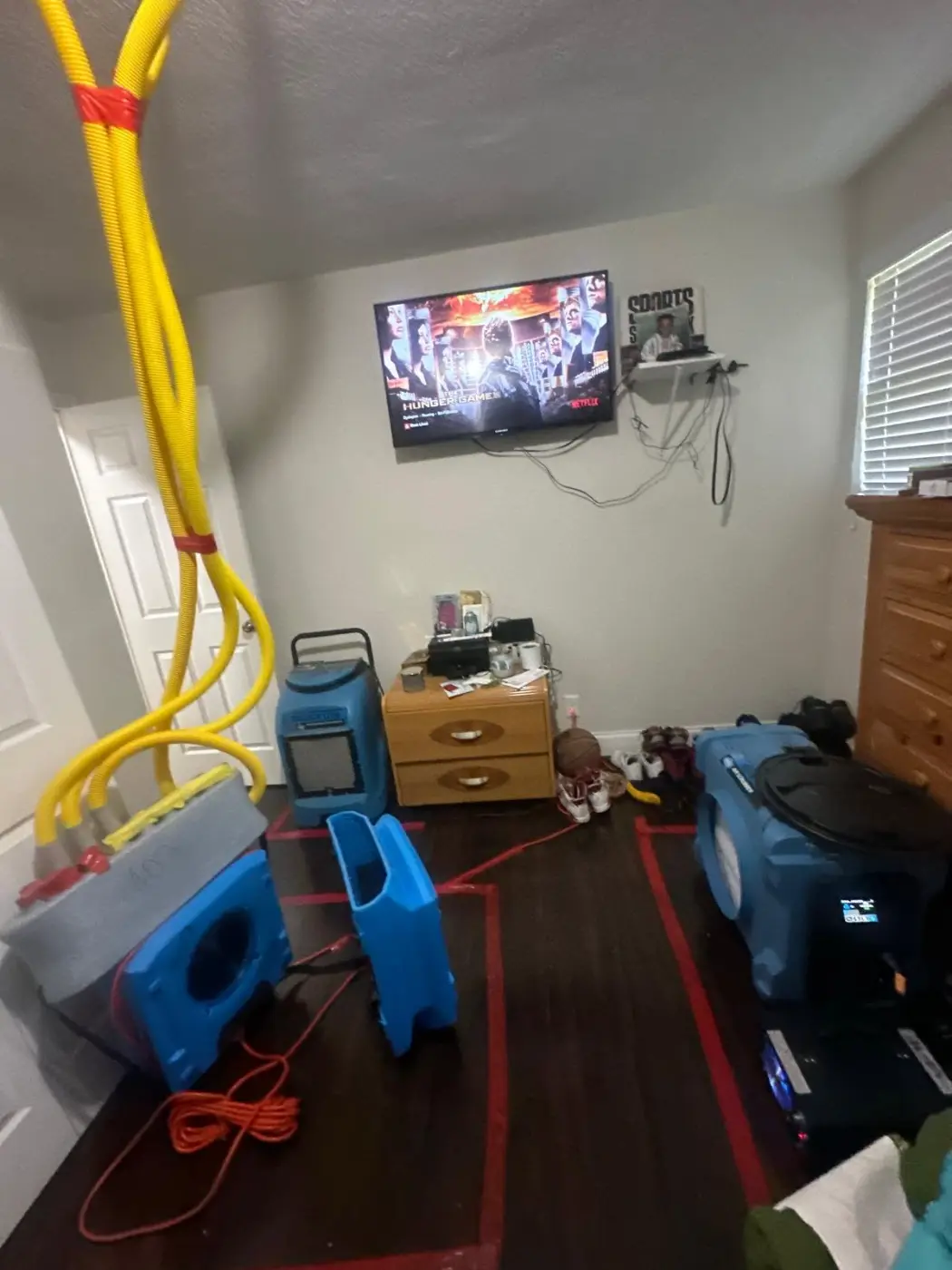
- Drying, days 1 to 5 or moreAir movers and dehumidifiers run while a technician checks moisture readings each day and moves equipment as areas dry.
- Repair, after dryingDrywall, insulation, flooring and trim that were removed are replaced, and the area is painted.
For the difference between the first two phases and the third, see water mitigation vs. restoration.
Typical timelines by situation
| Situation | Extraction | Drying | Notes |
|---|---|---|---|
| Clean-water leak found within hours | A few hours | 3 to 4 days | Carpet can often be dried in place |
| Burst pipe inside a wall or ceiling | A few hours | 3 to 5 days | Wall cavities may need to be opened |
| Washing machine or dishwasher overflow | A few hours | 3 to 5 days | Gray water, so pad is usually replaced |
| Finished basement after a sump pump failure | Half a day | 4 to 7 days | Drywall and pad near the floor often removed |
| River or creek floodwater | A day or more | A week or more | Contaminated, so porous materials are removed first |
| Slow leak found weeks later | A few hours | 5 days or more | Often comes with mold that has to be dealt with too |
These are typical ranges, not promises. The inspection gives a timeline for your home after moisture mapping.
What makes drying take longer
The category of water. Clean water from a supply line can often be dried in place. Gray water and black water mean more material is removed first, which adds time to the mitigation phase but can shorten drying.
How long the water sat. Water that sat for a day has wicked further up the drywall and deeper into the subfloor than water caught within an hour. Drywall can wick water several inches above the visible waterline.
The materials. Hardwood flooring, plaster walls, concrete and block foundations hold water much longer than drywall and carpet. Many homes in Charleston’s older neighborhoods, such as the East End and the West Side, have plaster over wood lath and solid hardwood floors, both of which dry slowly.
Humidity. In a humid Kanawha Valley summer, dehumidifiers have to work harder to pull moisture out of the air. In winter, cold basements and crawl spaces slow evaporation.
Access. Water trapped under cabinets, behind tub surrounds or in crawl spaces may need small openings or specialty equipment before it can dry.
How do you know it is actually dry?
A technician takes readings with moisture meters in the wet areas and compares them to readings from an unaffected part of the house, called the dry standard. Drying is complete when the wet materials match that standard. Thermal imaging can show cool, damp areas behind walls, but meter readings confirm them. Ask for the daily readings; they are the best evidence the job was done properly. How structural drying works explains the equipment and readings in more detail.
Don’t rush the rebuildInstalling new drywall, flooring or paint over materials that are still wet traps moisture. It leads to mold, odor, cupped floors and peeling paint, often within weeks.
How long do repairs take?
Repairs depend on what was removed. Replacing a two-foot strip of drywall in one room may take a few days including finishing and paint. Replacing flooring through a whole level, or rebuilding a finished basement, can take weeks, partly because of material ordering. Ask whether repairs are included in the scope or whether you will need a separate contractor.
Can you speed it up?
Yes, in a few ways. Report the damage quickly so extraction starts early. Keep windows closed when drying equipment is running so the dehumidifiers are not fighting outside humidity. Leave the equipment on and in place. Move furniture and belongings out of wet rooms so air can reach floors and walls. Turning equipment off at night to save noise or power can add days.
Related services
For the details of each phase, see water extraction and drying and flooded basement cleanup. If the water came from a pipe, burst pipe water damage covers what usually has to be opened up.
Call Kanawha Restoration in Charleston and Kanawha County.
Timeline FAQs
Why is drying equipment left running for days?
Surfaces dry quickly, but framing, subfloors and wall cavities hold water much longer. The equipment stays until readings show every material has returned to normal.
Can I live in the house during drying?
Usually, after a clean-water leak. The equipment is loud and warm, so many people close off the affected rooms. After sewage or floodwater, stay out of the affected areas until they are cleaned.
How long before mold becomes a risk?
Mold can begin to grow on wet materials within 24 to 48 hours in warm conditions, which is why extraction and drying should start as soon as possible.