The short answer
Professional mold remediation follows a set sequence: inspect and find the moisture source, set up containment with plastic sheeting and negative air pressure, filter the air with HEPA equipment, remove mold-damaged porous materials, clean and treat the remaining surfaces, dry the area, and confirm the result before rebuilding. The industry reference is the IICRC S520 standard for mold remediation.
Why the process matters
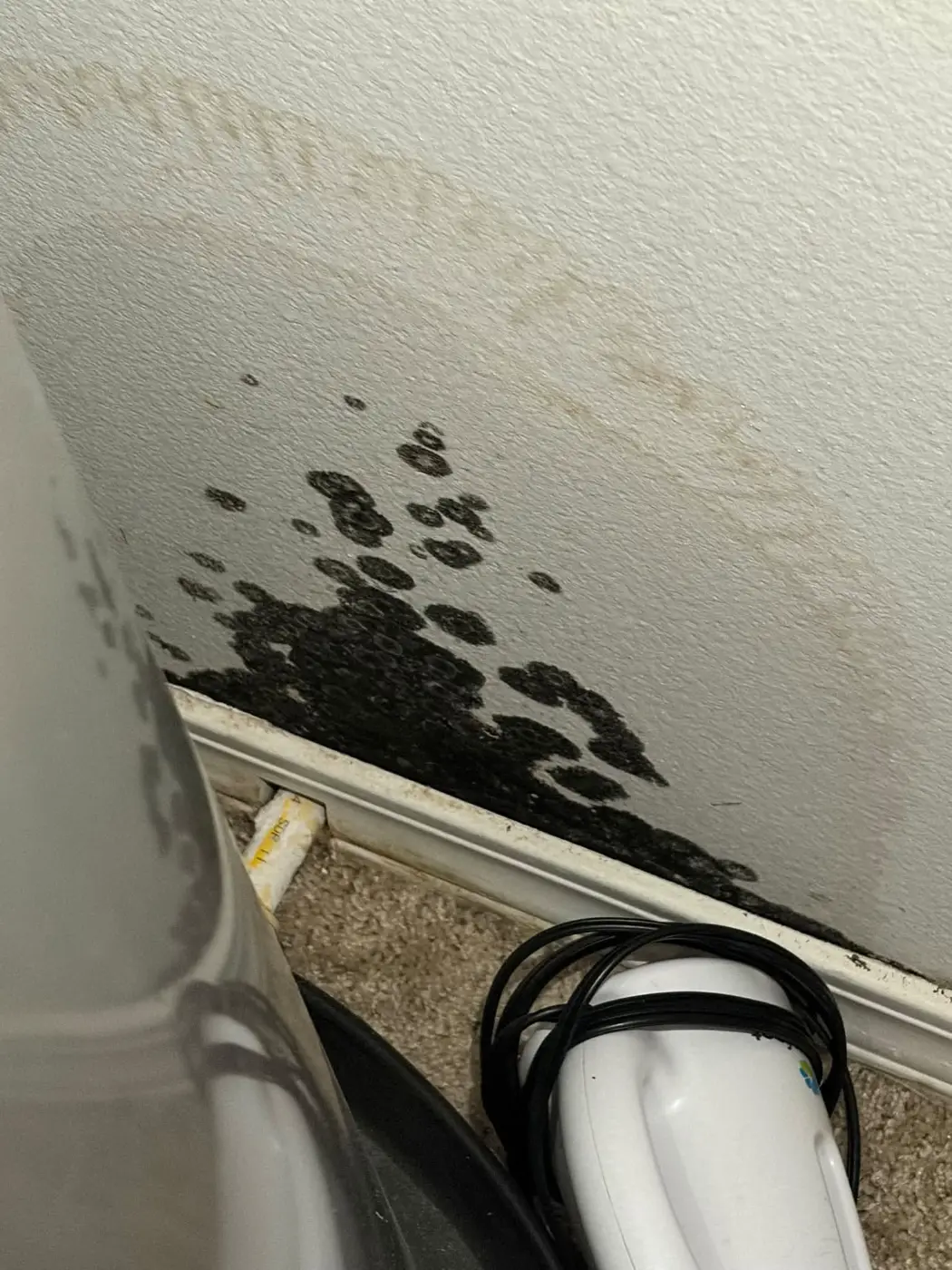
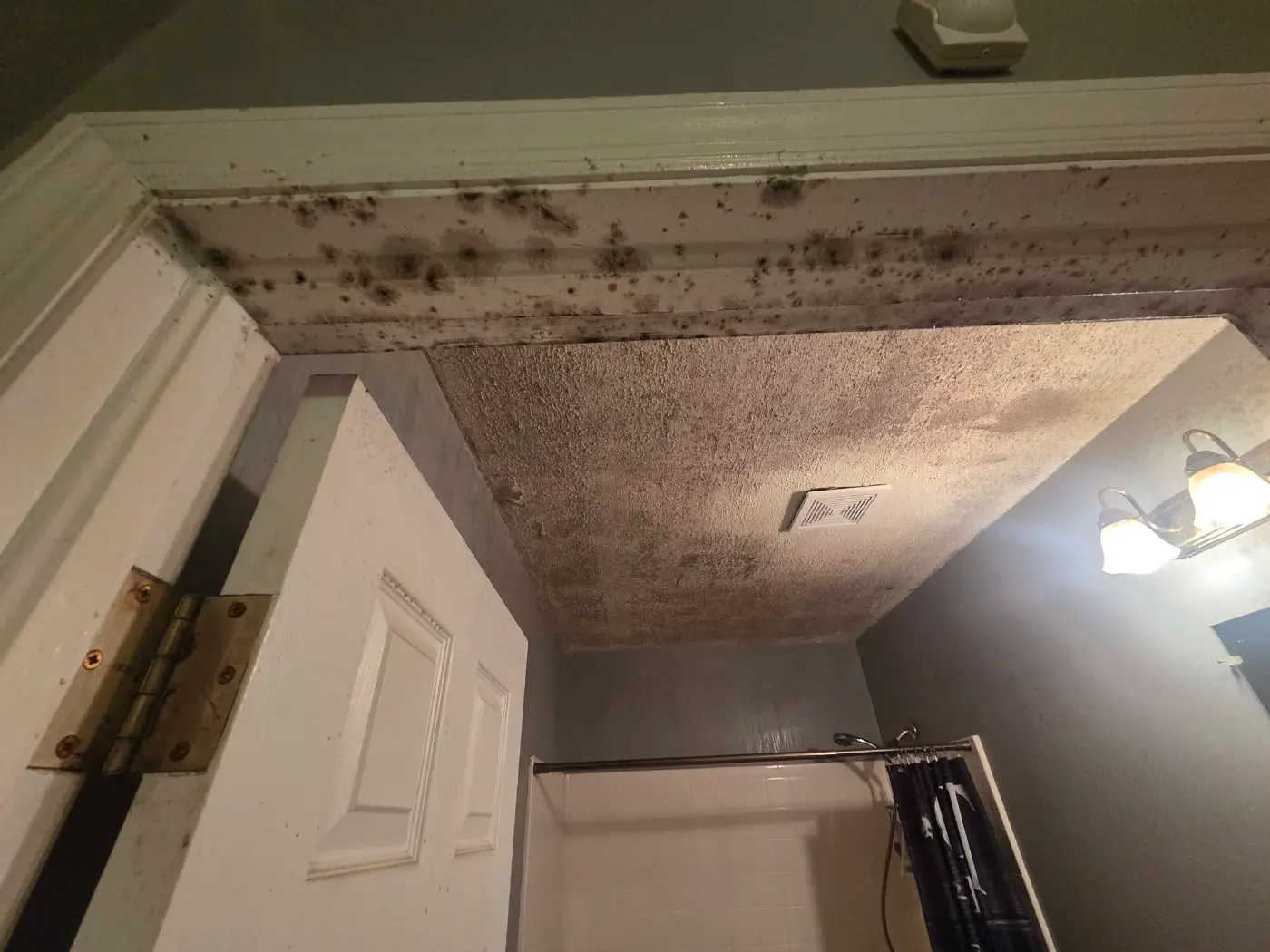
Mold releases spores when it is disturbed. Scraping, sanding or tearing out moldy drywall without controls can send spores through the house and into the HVAC system, turning a contained problem in one room into a whole-house one. Every step of professional remediation is built around keeping mold inside the work area until it is gone.
Step by step
- Inspection and moisture mappingA technician looks at visible growth, uses moisture meters and a thermal camera to find damp materials, and identifies the water source: a leak, condensation, seepage or past flooding.
- Remediation planThe size of the affected area, the materials involved and the source fix are written into a scope of work.
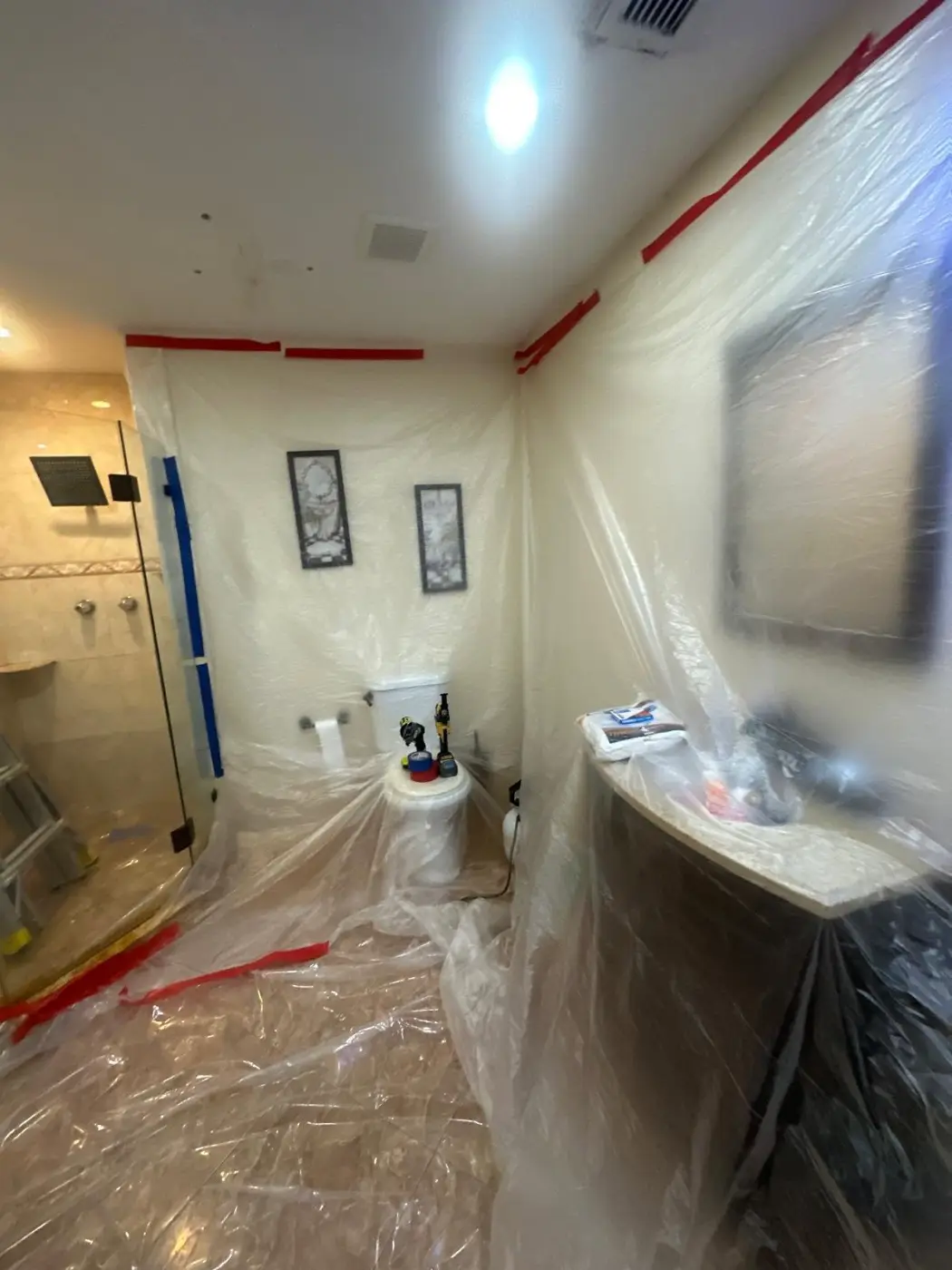
- ContainmentThe work area is sealed with plastic sheeting and tape, with a zippered entry. HVAC vents in the area are covered or the system is shut off.
- Negative air pressureAn air scrubber with a HEPA filter exhausts air from inside the containment, so air flows into the work area, not out of it.
- Protective equipmentWorkers wear respirators, gloves and disposable suits, removed before leaving containment.
- RemovalPorous materials with mold growth, such as drywall, insulation, carpet and ceiling tiles, are cut out, bagged inside containment and removed.
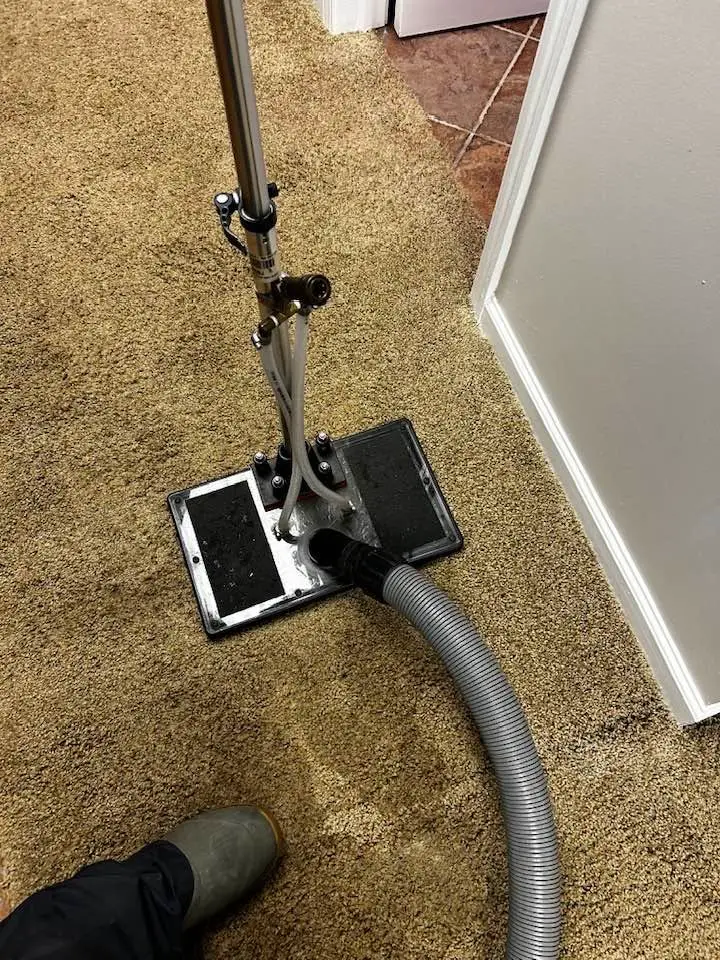
- CleaningRemaining surfaces, such as framing, subfloor and concrete, are HEPA vacuumed and cleaned. Wood may be sanded or blasted to remove staining and growth.
- Treatment and dryingAn antimicrobial may be applied, and the area is dried with dehumidifiers until moisture readings are normal.
- Final checkThe area is inspected for visible mold, dust and moisture. Some homeowners hire an independent tester for clearance sampling.
- RebuildOnce clear and dry, new insulation, drywall and finishes are installed.
What can be cleaned and what has to go
| Material | Usually |
|---|---|
| Drywall with growth | Removed, at least a margin beyond the visible mold |
| Insulation | Removed |
| Carpet and pad | Removed if mold is growing in them |
| Wood framing and subfloor | Cleaned, sanded or blasted, then treated |
| Concrete and block | Cleaned |
| Hard furniture and metal | Cleaned |
| Upholstered furniture and mattresses | Evaluated case by case; often discarded if growth is inside |
Fixing the moisture source
Remediation without a moisture fix does not last. Common sources in Charleston homes include:
- Plumbing leaks inside walls and under sinks
- Basement seepage and high groundwater
- Crawl spaces with dirt floors and no vapor barrier
- Attics where bathroom fans vent into the attic, or poor roof ventilation
- Condensation on cold pipes and ducts in humid summers
- Past flooding that was not fully dried
The remediation team should identify the source and either fix it or tell you what needs fixing. What causes mold to grow after water damage explains why moisture is always the root.
How long does mold remediation take?
A small, contained area, such as a section of a bathroom wall, is often finished in one to two days. A basement, attic or crawl space usually takes several days. Larger jobs, or those with water damage that needs drying first, can take a week or more before the rebuild begins.
Can you stay home during remediation?
Often yes, because containment keeps the work area separate. People with asthma, allergies, weakened immune systems, infants and older adults may want to stay elsewhere during removal. For large jobs or HVAC contamination, the team may recommend leaving.
Is testing needed?
Not always. The EPA says that if mold is visible, it should be removed whatever the species, so sampling is not needed to decide on cleanup. Testing is useful when you smell mold but cannot find it, to check hidden areas, or to confirm clearance after remediation. A mold inspection usually starts with moisture readings rather than lab samples.
DIY or professional?
The EPA suggests homeowners can usually handle less than about 10 square feet of mold on hard surfaces, using gloves, an N-95 respirator and goggles. Call a professional when the area is larger, mold is inside walls or HVAC ducts, it followed sewage or floodwater, or anyone in the house has health concerns. Professional restoration vs. DIY cleanup covers that decision for water, fire and mold.
For specific areas, see basement mold removal, attic mold removal and the main mold removal page.
Call Kanawha Restoration for inspection and remediation.
Mold remediation FAQs
Does mold remediation remove all mold?
No process removes every spore, because spores are naturally present in all indoor and outdoor air. Remediation removes mold growth and returns spore levels to normal for the home, then fixes the moisture so growth does not return.
Why is so much drywall removed?
Mold grows into the paper and gypsum, and growth usually extends beyond the visible stain. Removing a margin around it makes sure all affected material is gone.
Will painting over mold stop it?
No. Mold keeps growing under paint if moisture is present, and stains bleed through. The growth has to be removed and the moisture fixed.