The short answer
Mold grows after water damage because wet building materials give airborne spores the three things they need: moisture, food and time. Drywall paper, wood, carpet backing and dust are the food; the leak or flood supplies the moisture; and in warm, humid conditions, growth can begin within 24 to 48 hours. Remove the moisture fast and mold has nothing to grow on.
The four conditions mold needs
Mold spores are in every home’s air, indoors and out. They do nothing until four conditions line up.
| Condition | What it means in a house |
|---|---|
| Moisture | Wet materials or indoor humidity that stays above about 60 percent |
| Food | Anything organic: drywall paper, wood framing, cardboard, carpet backing, dust |
| Temperature | Roughly the same range people are comfortable in, which is why basements in summer are ideal |
| Time | A day or two of sustained dampness for growth to start; longer for it to become visible |
You cannot remove spores or food from a house, and you cannot make it uncomfortably cold. Moisture is the only condition you can control, which is why every mold prevention plan is really a moisture plan.
How fast does mold grow after a leak?
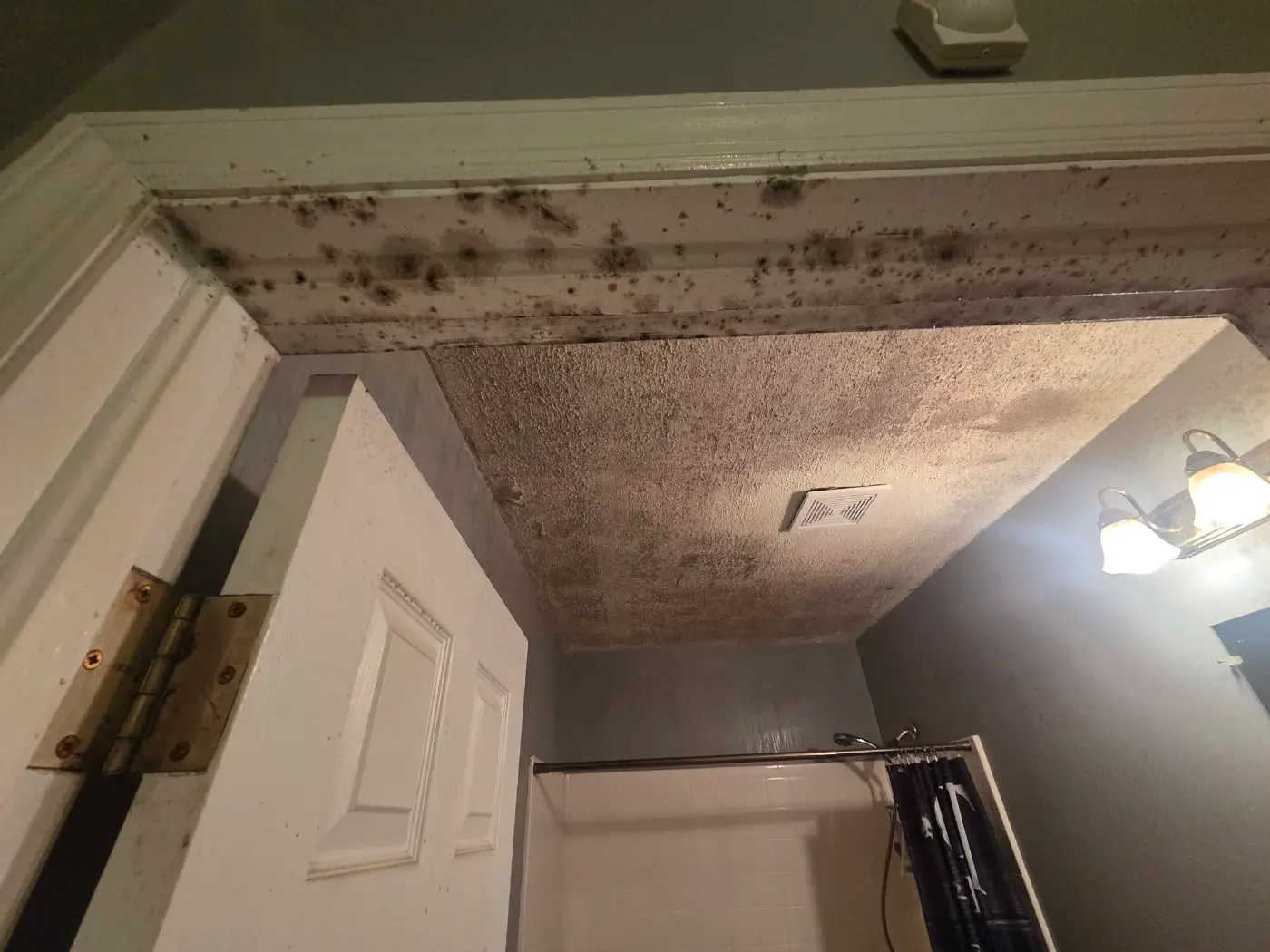
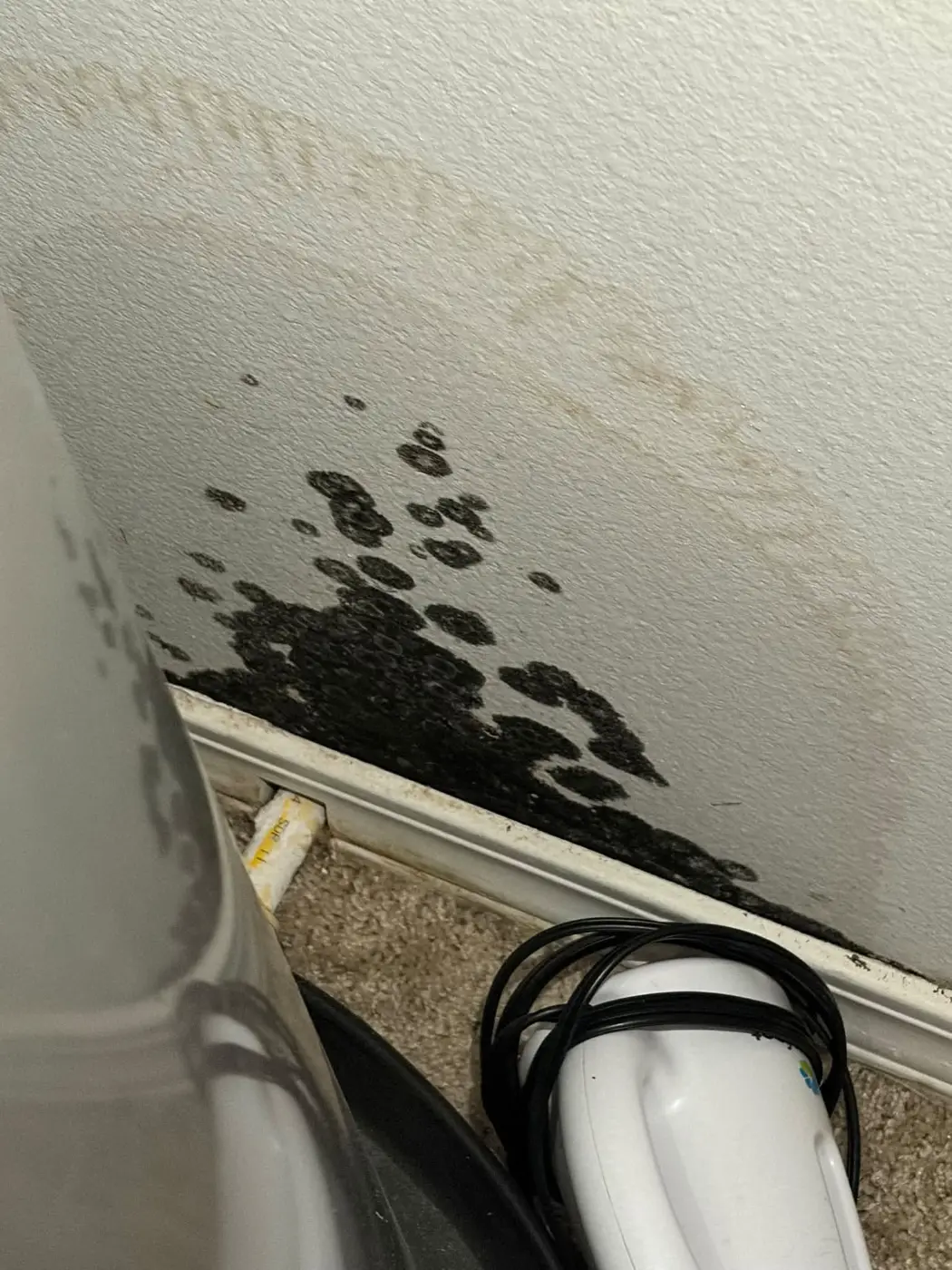
The EPA advises drying wet materials within 24 to 48 hours to prevent mold growth. After that window, growth can start on the back of drywall, the underside of carpet pad and the bottom of baseboards long before anything shows on the surface. Visible spots usually appear after one to two weeks, and by then the growth behind them is often larger than what you see.
Why some water damage leads to mold and some does not
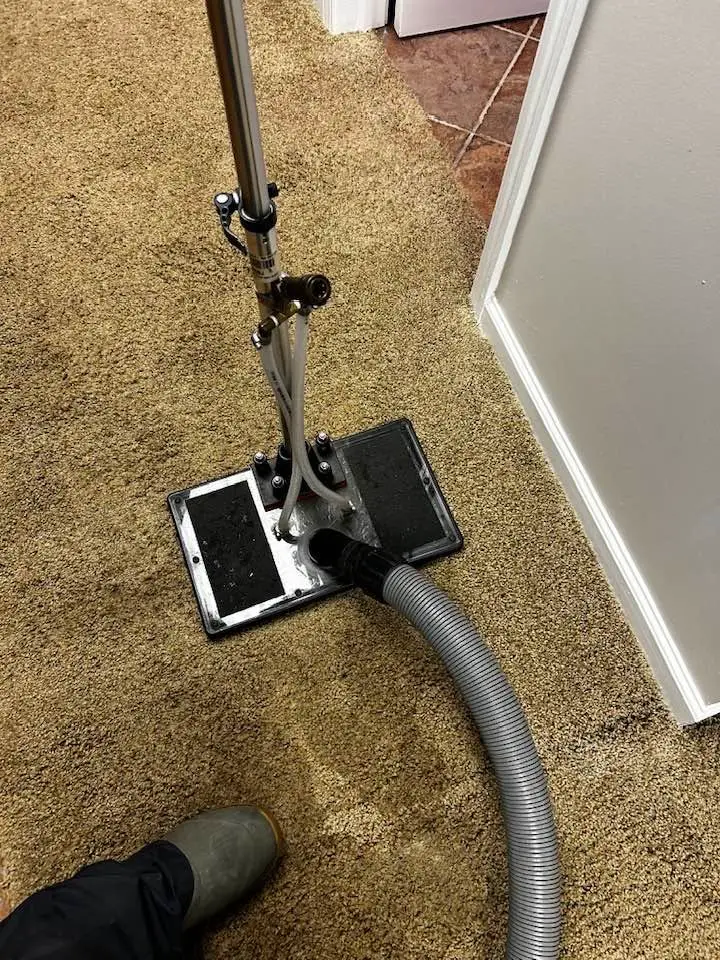
Water that was found and dried quickly rarely causes mold. A burst pipe caught within hours, extracted and dried with professional equipment is usually fine.
Slow, hidden leaks are the most common cause of mold after water damage. A dripping supply line inside a wall, a leaking toilet wax ring or a roof leak into an attic can feed mold for weeks before anyone notices. See how to identify hidden water damage behind walls for the signs.
Floodwater and sewage bring their own contamination, and they soak into insulation and wall cavities that are hard to dry. Porous materials they touch are usually removed for that reason.
Partial drying is a common trap. Box fans dry the surface of the carpet and the face of the wall, but leave the subfloor and the inside of the wall wet. The room looks dry and smells musty a week later.
Where mold shows up after water damage
- The back side of drywall and the bottom plate of the wall framing, where water wicked up and sat.
- Under carpet pad and laminate, where water spreads and cannot evaporate.
- Inside base cabinets, especially under kitchen and bathroom sinks.
- Basement walls and finished basements, where drywall is installed against concrete that stays cool and damp.
- Crawl spaces under houses with dirt floors and no vapor barrier, very common in older Kanawha County homes.
- Attics after roof leaks or where bathroom fans vent into the attic instead of outside.
Why the Kanawha Valley makes it worse
Charleston’s summers are warm and humid, and the valley floor holds moisture. Many homes sit on basements dug into hillsides or on flat ground near the Kanawha and Elk rivers, where groundwater stays close to the surface. A basement that is merely damp in a dry year can grow mold after one wet season or one small leak.
What to do if you had water damage recently
- Make sure the source is fixed and the water is out.
- Check that the structure, not just the surface, is dry. Moisture meters are the only reliable way to know.
- Remove wet carpet pad, saturated insulation and drywall that wicked water, rather than trying to dry them in place if they sat for more than a day or two.
- Run a dehumidifier to keep indoor humidity below about 50 percent until everything is dry.
- Watch for a musty smell, new stains or peeling paint in the weeks after.
When mold is already growing
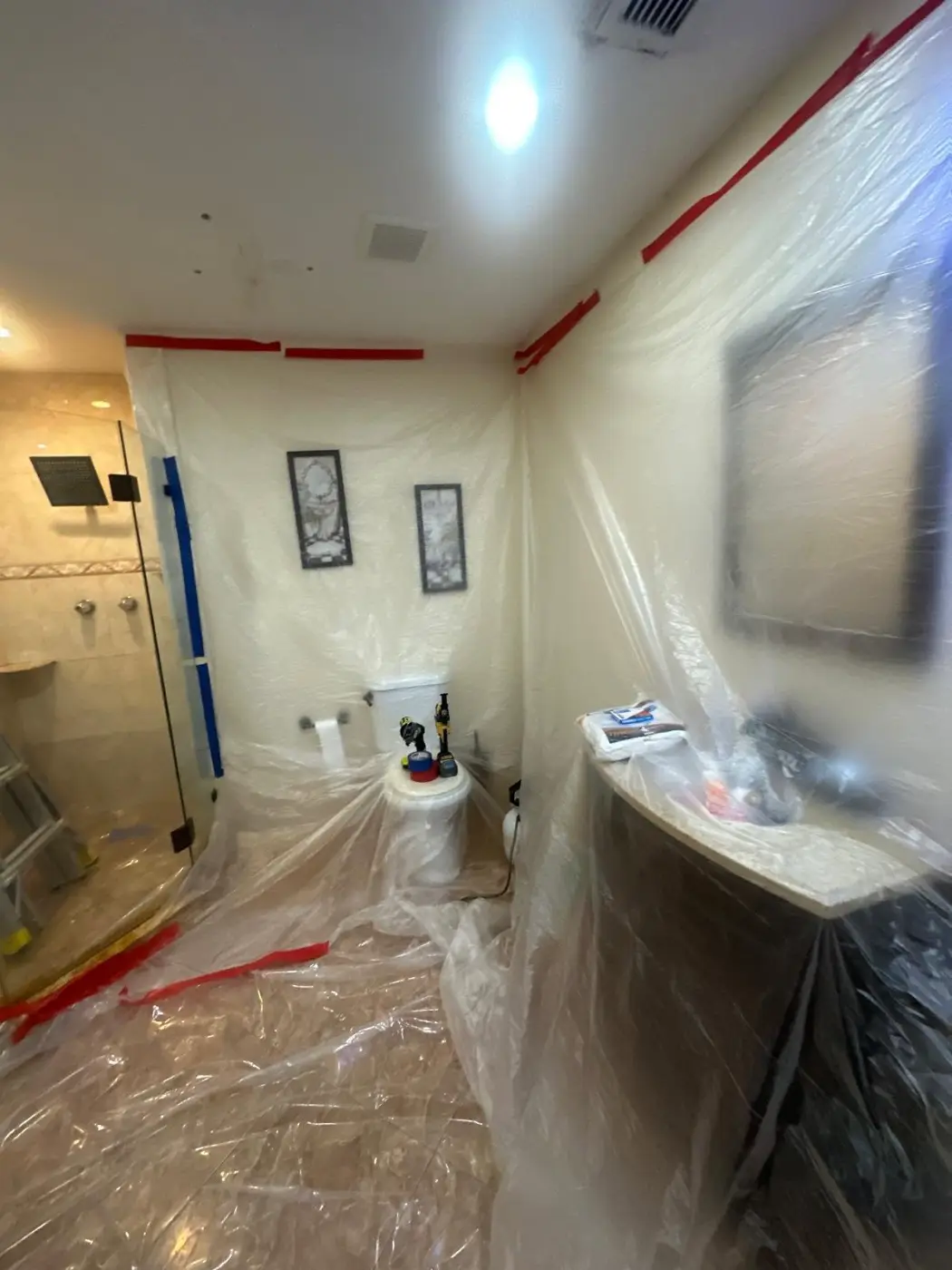
The EPA suggests homeowners can usually clean less than about 10 square feet of mold on hard surfaces. Larger areas, mold inside walls or HVAC systems, and mold after sewage or floodwater are jobs for professional remediation, because disturbing it spreads spores to the rest of the house. What happens during professional mold remediation walks through the process, and mold after flooding covers flood-specific cases.
For prevention in the most common problem area, see how to prevent mold in a damp basement.
Call Kanawha Restoration for a mold inspection.
Mold after water damage FAQs
Does bleach kill mold after water damage?
Bleach can lighten mold on hard, non-porous surfaces, but it does not reach roots in drywall or wood and adds more moisture. Porous materials with mold growth are usually removed instead.
Will mold go away once things dry out?
No. Dry mold stops growing but stays in place and can still release spores and odor. It has to be cleaned or removed.
Do I need mold testing after a leak?
Not always. Visible mold should be removed whatever the species. Testing is most useful when you smell mold but cannot find it, or to confirm cleanup worked. A mold inspection usually starts with moisture mapping.