The short answer
To prevent mold in a damp basement, keep the relative humidity below about 50 percent with a properly sized dehumidifier, stop liquid water from getting in, avoid organic materials like paper-faced drywall and carpet against concrete, keep stored items off the floor and away from walls, and check the space regularly for smell, stains and condensation.
Why basements grow mold
Basements are below ground, so their walls and floors stay cool. When warm, humid summer air reaches those cool surfaces, it condenses, the same way water beads on a cold glass. Add moisture coming through the concrete from the soil, and the air in a basement often sits well above 60 percent humidity, which is where mold starts to grow on dust, cardboard, wood and drywall paper.
In the Kanawha Valley this is especially common. Summers are humid, many homes are built into hillsides with one side of the basement buried, and homes on the flat ground near the Kanawha and Elk rivers often have groundwater close to the surface.
Step 1: Measure the humidity
Buy an inexpensive digital hygrometer and leave it in the basement for a week in summer. It tells you whether you have a problem and whether your fixes are working.
| Reading | What it means |
|---|---|
| Below 50 percent | Good. Mold is unlikely to grow |
| 50 to 60 percent | Borderline. Watch for musty smell and run a dehumidifier |
| Above 60 percent | Mold growth is likely over time |
| Above 70 percent | High risk, especially on cardboard, wood and drywall |
Step 2: Run the right dehumidifier
A dehumidifier is the single most effective tool for basement mold prevention.
- Size it to the space. A small unit in a large, damp basement runs constantly and never catches up. Check the manufacturer’s sizing for square footage and dampness.
- Drain it continuously. Run the hose to a floor drain or sump, or choose a model with a pump, so it never shuts off because the bucket is full.
- Set it to 45 to 50 percent and leave it on through the humid months, roughly May to October.
- Clean the filter every month or two.
- Keep basement doors and windows closed in summer. Opening them lets in more humid air than it lets out.
Step 3: Stop liquid water
A dehumidifier cannot keep up with water that is actually entering. Look for:
- Damp patches or white mineral deposits on the walls after rain
- Water at the joint between the floor and the walls
- Gutters that overflow or downspouts that empty right at the foundation
- Soil that slopes toward the house
- A sump pump that runs often or has no backup
How to reduce the risk of basement moisture covers gutters, grading, drainage and sump pumps in detail.
Step 4: Choose basement-friendly materials
If you finish or refinish a basement, the materials matter as much as the dehumidifier.
| Instead of | Use |
|---|---|
| Paper-faced drywall against concrete | Moisture-resistant or paperless drywall, with a gap or insulation board between it and the wall |
| Wall-to-wall carpet and pad | Vinyl plank, tile or sealed concrete with area rugs that can be removed |
| Fiberglass batts against concrete | Rigid foam insulation board |
| Wood framing touching the slab | A treated bottom plate or a moisture barrier underneath |
Step 5: Store things the right way
- Use plastic bins with lids instead of cardboard boxes.
- Keep everything a few inches off the floor on shelves or pallets.
- Leave a gap between stored items and the outside walls so air can move.
- Do not dry laundry on a line in the basement; vent the dryer outside.
Step 6: Check it regularly
Walk the basement once a month, and after every heavy rain. Look behind furniture and boxes, smell for mustiness, and look for condensation on cold water pipes and ducts. Insulating sweating pipes stops a surprising amount of dripping.
Crawl spaces need the same attention
Many older Charleston homes have a crawl space with a dirt floor instead of, or as well as, a basement. A crawl space without a vapor barrier lets ground moisture into the house all year. A sealed polyethylene vapor barrier, good drainage and, in some cases, a dehumidifier make a big difference. See crawl space mold.
When prevention is too late
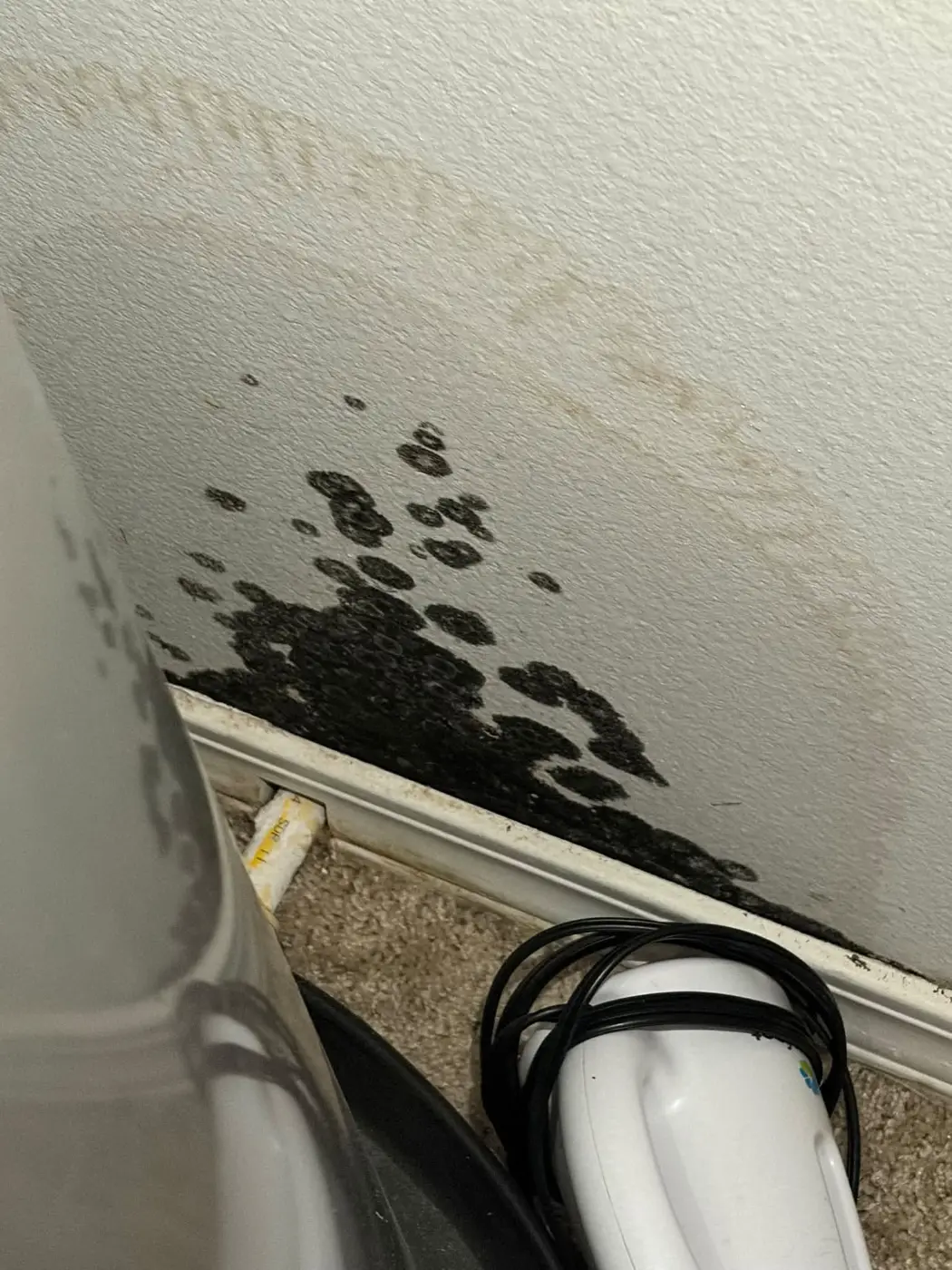
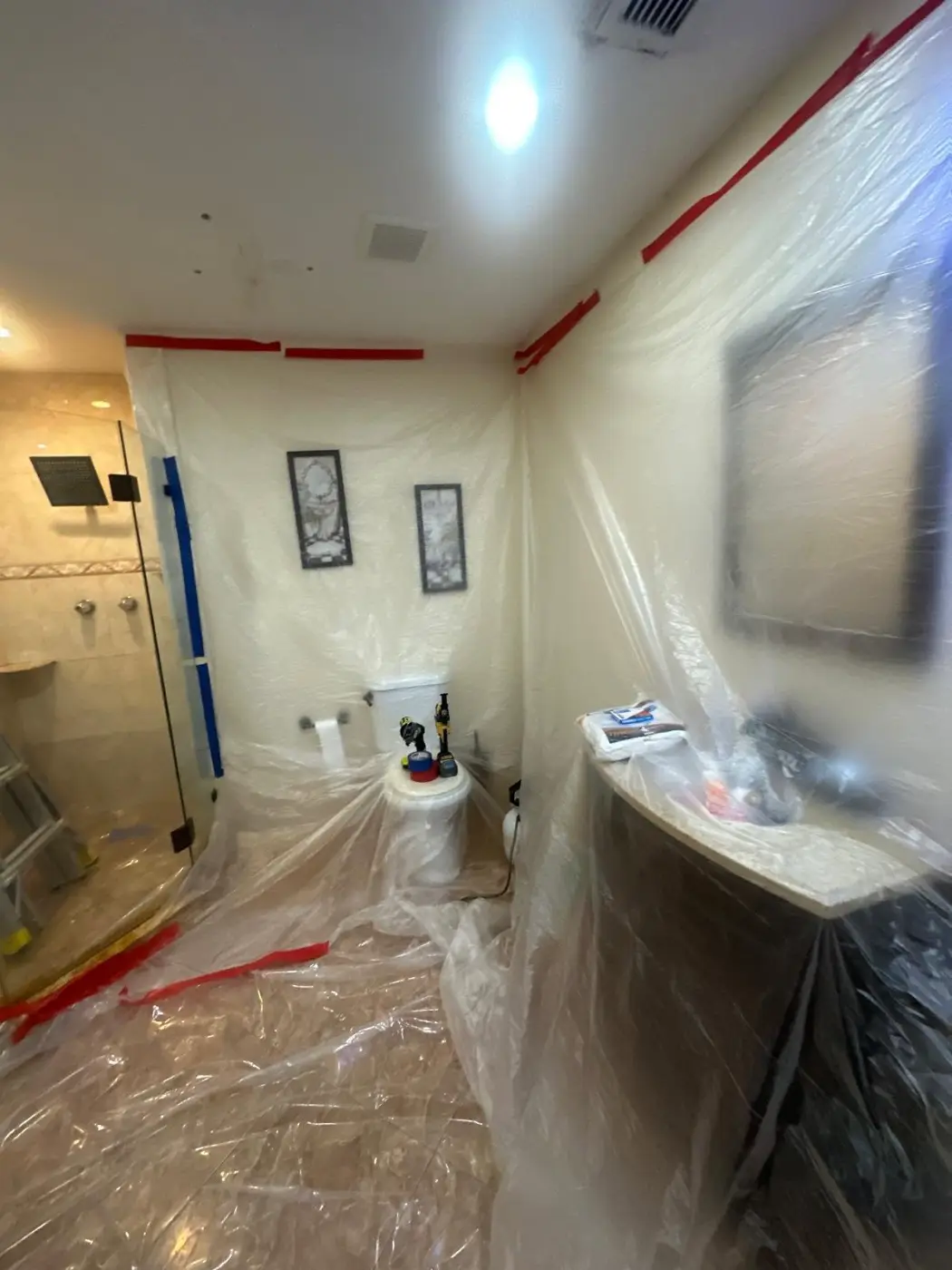
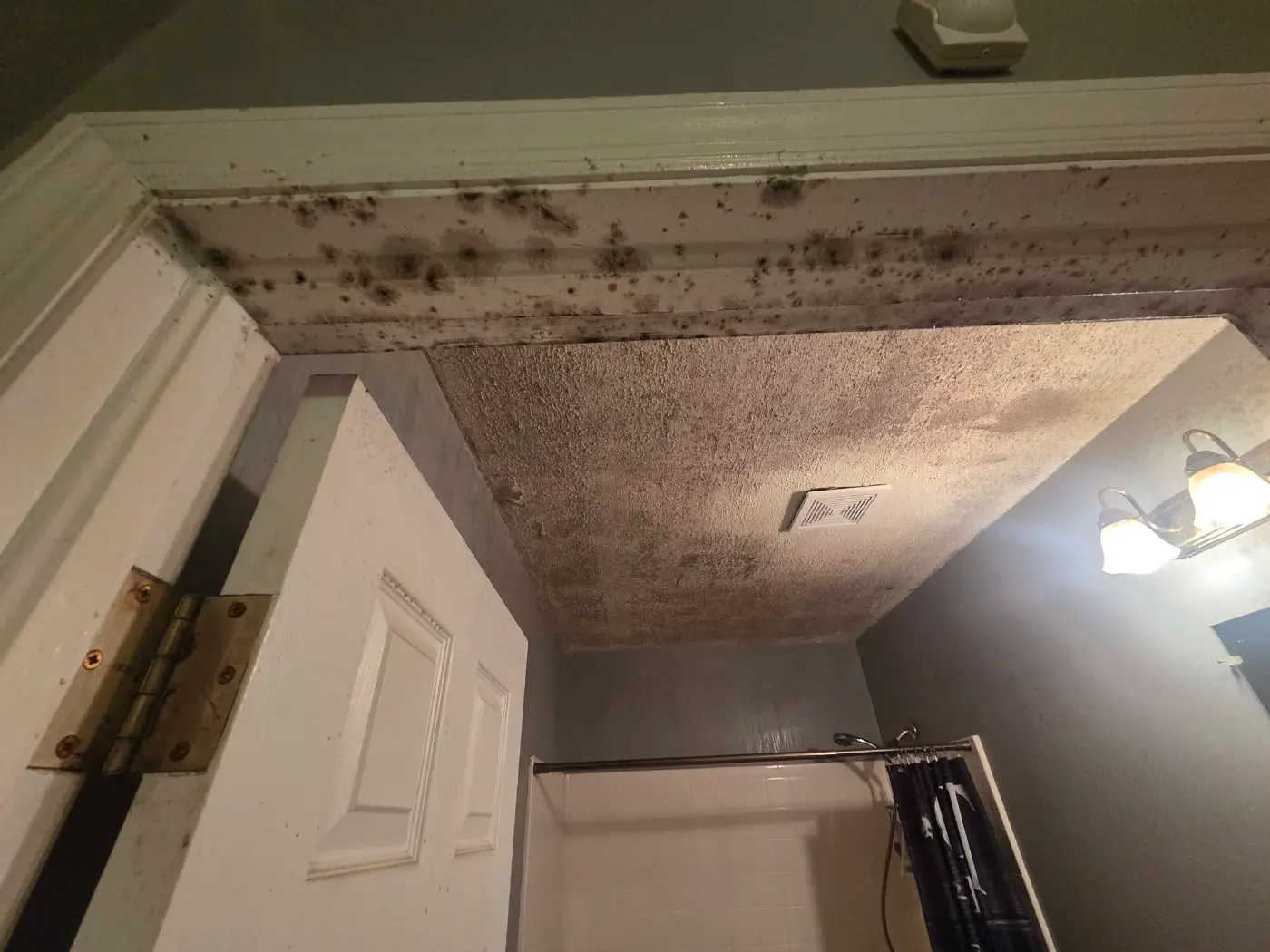
If you already see mold, smell it strongly, or the basement took on water recently, prevention steps alone will not fix it. Small areas on hard surfaces can be cleaned. Larger areas, mold on drywall or wood, or growth after a flood need professional work; basement mold removal and what happens during professional mold remediation explain what that involves. To understand why it started, read what causes mold to grow after water damage.
Call Kanawha Restoration for a basement mold inspection.
Basement mold prevention FAQs
What humidity should a basement be?
Below about 50 percent. Mold growth becomes likely when humidity stays above 60 percent for long periods.
Should I open basement windows to air it out?
Not in summer. Warm, humid outdoor air condenses on cool basement surfaces and adds moisture. Keep windows closed and run a dehumidifier instead.
Does waterproof paint stop basement mold?
It can reduce minor dampness through concrete, but it does not stop water under pressure and can peel. It is not a substitute for drainage and humidity control.