The short answer
National cost guides put the average water damage restoration job at roughly $3,000 to $4,000, with most homeowners paying somewhere between about $1,300 and $6,300. Per square foot, mitigation and drying is often quoted at about $3.50 to $7.50, depending on whether the water was clean, gray or black. Your price depends on the water category, the area affected, how long the water sat, the materials involved and how much has to be rebuilt. A firm number comes only after an inspection.
The ranges above come from national cost guides such as HomeAdvisor’s 2025 figures. Local prices in Charleston and Kanawha County can differ, and large losses can cost far more.
How a water damage bill is built
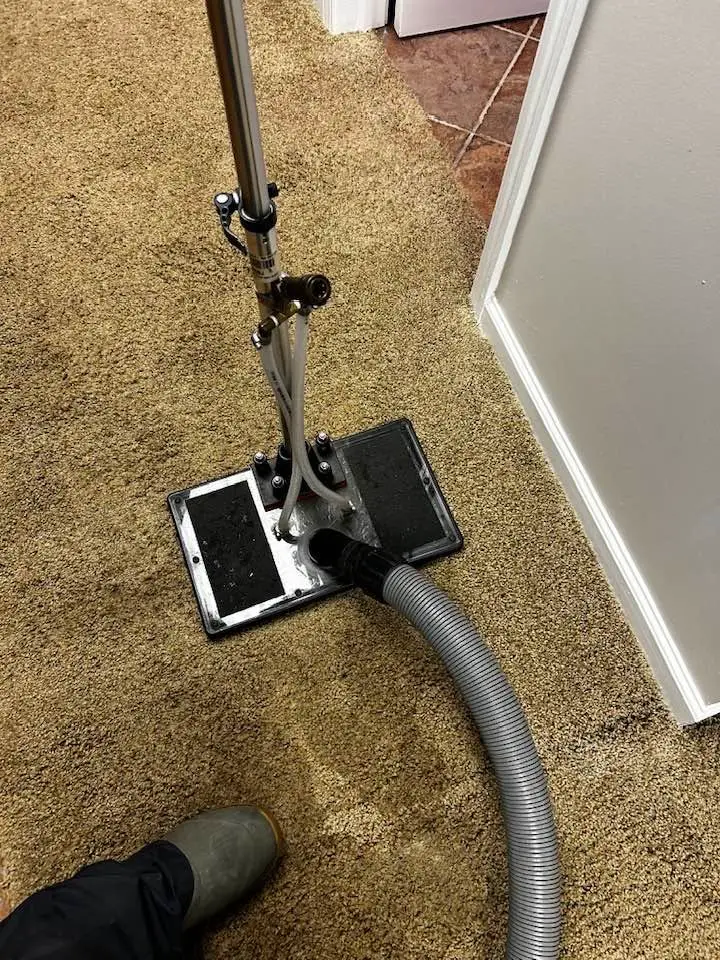
Most estimates are split into two parts, which is explained in water mitigation vs. restoration.
| Part | What it covers | How it is usually priced |
|---|---|---|
| Mitigation | Extraction, removal of wet materials, drying equipment, moisture monitoring, antimicrobial treatment | Labor hours, equipment per day, square footage, materials removed |
| Restoration | Drywall, insulation, flooring, trim, cabinets, paint | Like any construction job: materials plus labor |
Restoration companies commonly write estimates in industry estimating software that prices each line item. Ask to see the line items so you know what you are paying for.
The factors that change the price
Category of water. Clean water from a supply line is the least expensive to handle. Gray water from appliances costs more because pad and some materials are removed and treated. Black water from sewage or floodwater costs the most: porous materials are removed, protective equipment is required and cleaning takes longer.
| Water category | Commonly quoted range per square foot |
|---|---|
| Category 1, clean | About $3.50 to $4 |
| Category 2, gray | About $4 to $6.50 |
| Category 3, black | About $7 to $7.50 or more |
Size of the area. More square footage means more extraction, more equipment and more material to replace.
Time. Water caught within hours can often be dried in place. Water that sat for days has spread further, wicked higher up walls and may have started mold, which adds removal and remediation.
Materials. Carpet over concrete is simpler than hardwood over a wood subfloor. Plaster walls, solid hardwood, finished basements and custom cabinets all cost more to dry or replace.
Where the water went. Water inside ceilings, wall cavities, under cabinets or in a crawl space takes more labor to reach.
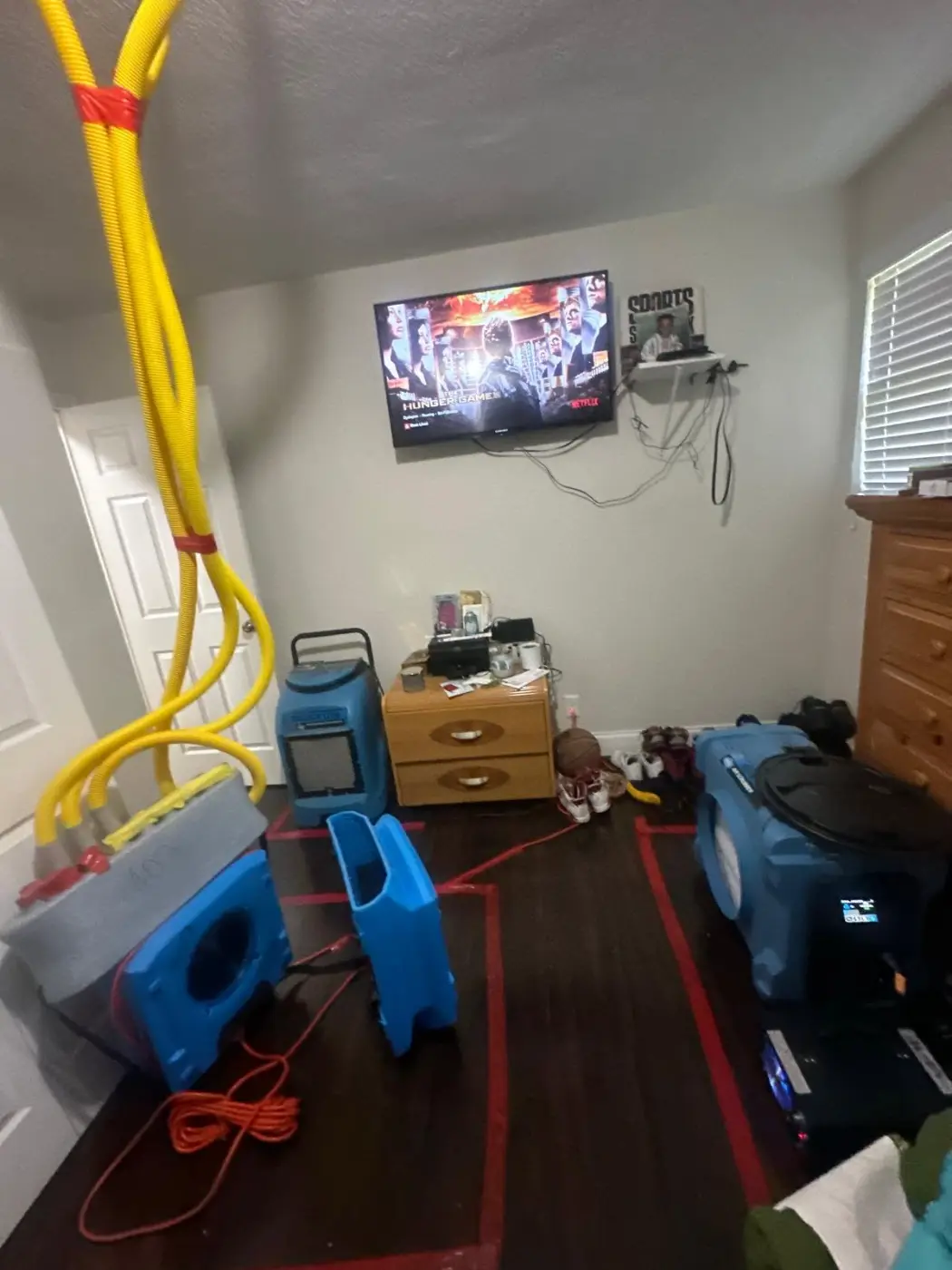
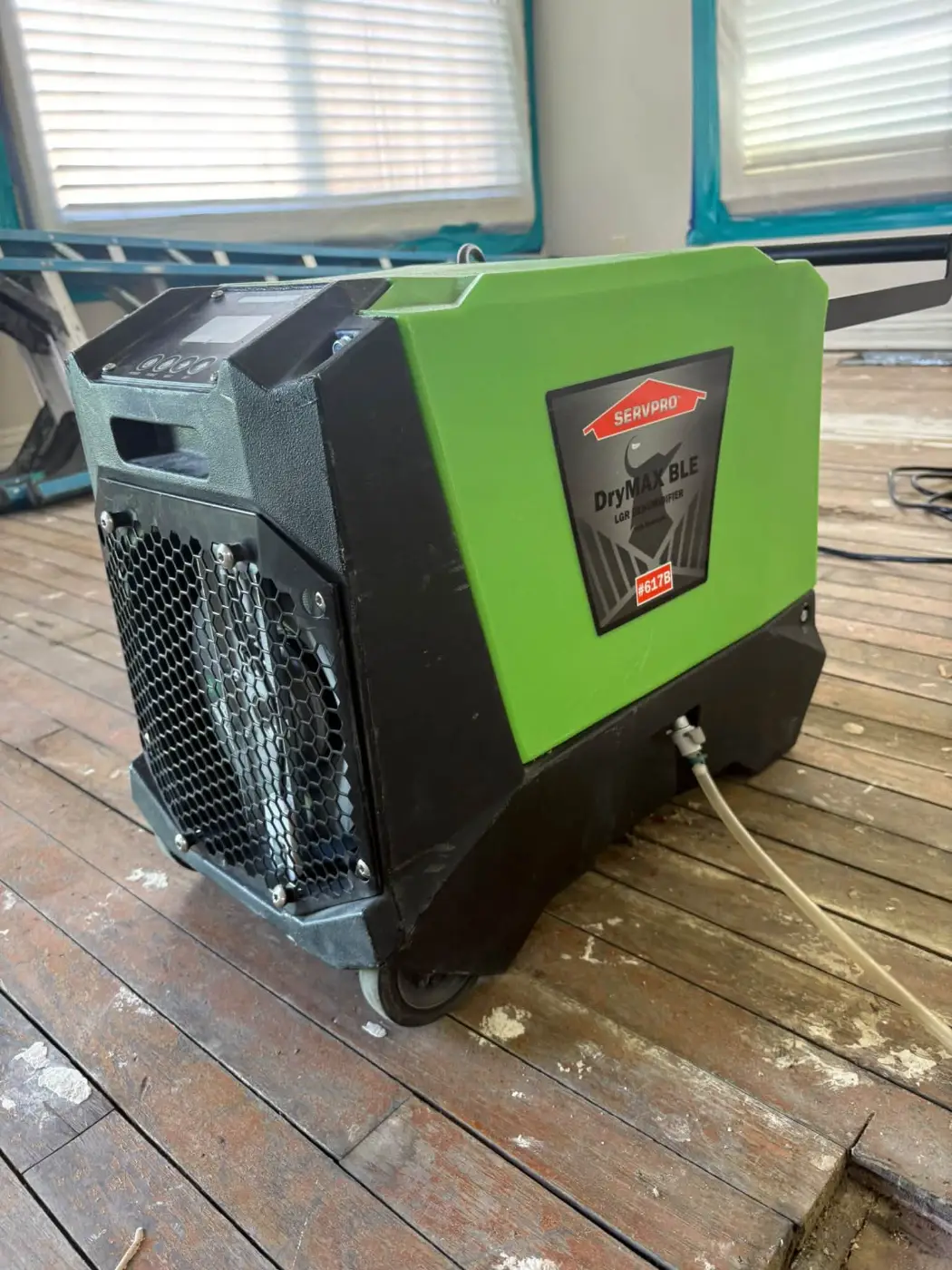
Equipment days. Each air mover and dehumidifier is typically billed per day. A job that dries in three days costs less than one that needs six.
Mold. If mold has started, containment and removal add to the cost; see what happens during professional mold remediation.
Rebuild. Replacing a strip of drywall is modest. Rebuilding a finished basement or replacing flooring through a level is a much bigger number.
Example scenarios
These are rough illustrations to show how the factors stack up, not quotes.
- A supply line leak under a kitchen sink, found the same day. Extraction, a few days of drying, possibly the cabinet floor and a small section of drywall. Usually at the lower end of the national range.
- A washing machine hose that flooded a laundry room and hallway. Gray water means pad is removed and the area treated. Drying for several days and some drywall and baseboard replacement. Usually mid-range.
- A finished basement after a sump pump failure during heavy rain. Extraction, removal of carpet and the bottom of the drywall, a week of drying, then a partial rebuild. Often at or above the top of the national range.
- River or creek floodwater on a first floor. Black water, extensive tear-out, cleaning, drying and a significant rebuild. Can cost many times the national average.
How to keep costs down
- Call early. The fastest way to lower the bill is to start extraction and drying before water spreads. See what to do immediately after water damage.
- Stop the source and move belongings out of the water yourself if it is safe.
- Keep the equipment running so drying finishes as soon as possible.
- Ask for a written scope before work beyond emergency extraction starts.
- Check your coverage. Some losses are covered by homeowners insurance and some need flood insurance; does homeowners insurance cover water damage explains the usual rules.
Questions to ask about any estimate
- Which materials will be removed, and why can they not be dried?
- How many air movers and dehumidifiers, and for how many days?
- Will you provide daily moisture readings and a final drying log?
- Is the rebuild included, or is that a separate estimate?
- What happens if more damage is found once walls are opened?
Why you cannot get a firm price over the phone
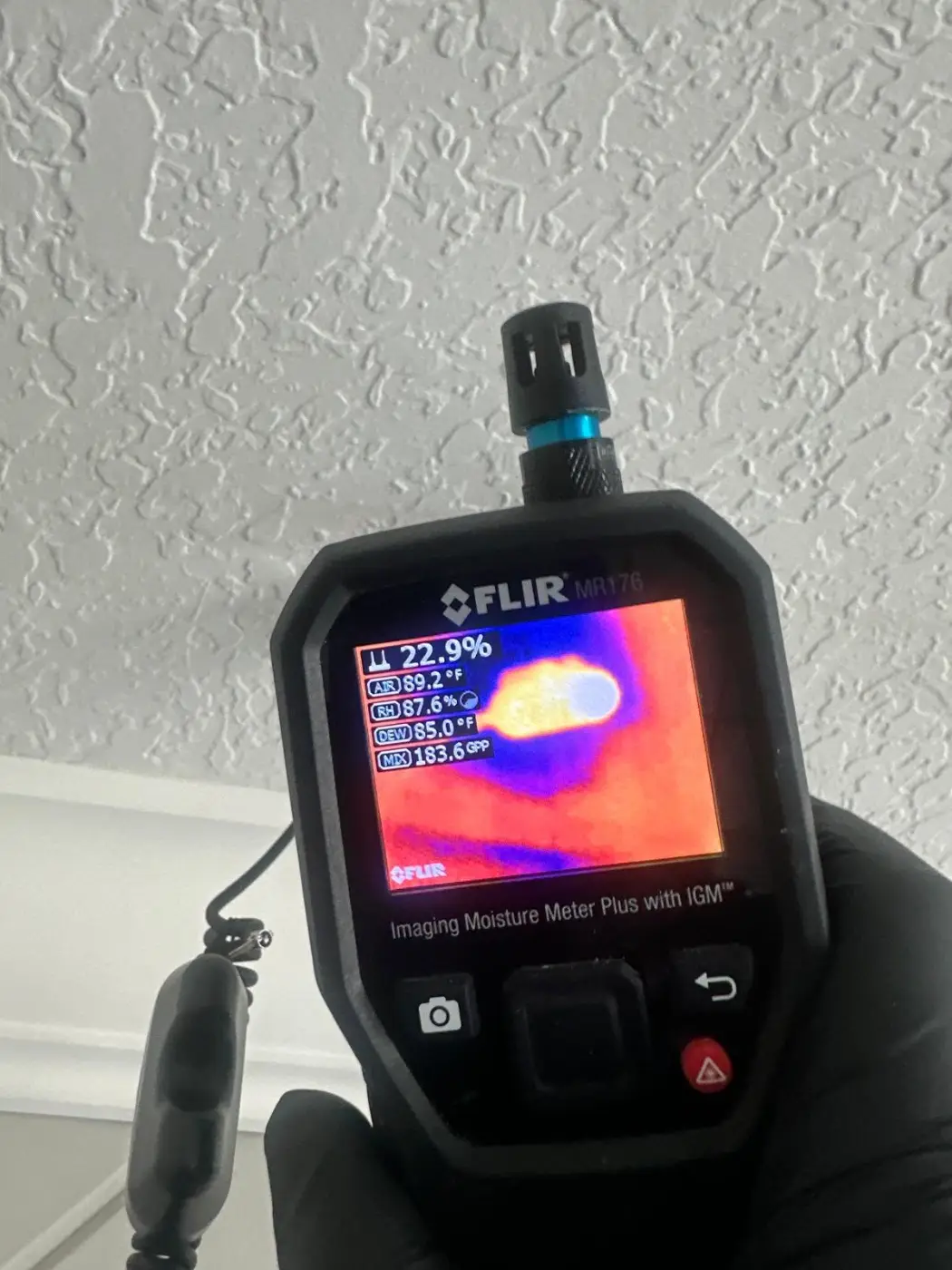
The two biggest cost drivers, how far the water spread and what it soaked into, can only be measured on site with moisture meters and a thermal camera. We can explain likely ranges on the phone, but an honest number comes after an inspection. The water damage restoration page describes what that inspection includes.
Call now and our team can inspect it and give a written estimate.
Water damage cost FAQs
Is water damage restoration charged by the hour or by the job?
Usually by line item: labor, equipment per day, square footage cleaned and materials removed or replaced. Ask for an itemized estimate.
Why does black water cost so much more?
Sewage and floodwater are contaminated, so porous materials are removed rather than dried, workers need protective equipment, and everything left is cleaned and disinfected.
Does drying cost less if I use my own fans?
Household fans rarely dry framing, subfloors and wall cavities fully. Incomplete drying often leads to mold and a bigger bill later.